
The Art of Recovery: Learning to Trade Intensity for Observation
- Keiko Ozeki
- 1 day ago
- 3 min read

Updated: 5 hours ago
Recovery is an art that asks us to trade intensity for observation. After the physical and emotional peaks of group hiking in Japan, I returned to the quiet shoreline of my local lake to breathe the lake air, feel the wind, and find a different kind of strength. I didn’t necessarily want to slow down. I don’t like downtime—especially during the best outdoor season in the Pacific Northwest—but jet lag, my aching back, and tired feet insisted on it, turning my focus toward the ordinary, familiar beauty right in front of me. It has been a good lesson in the restorative power of slowing down.
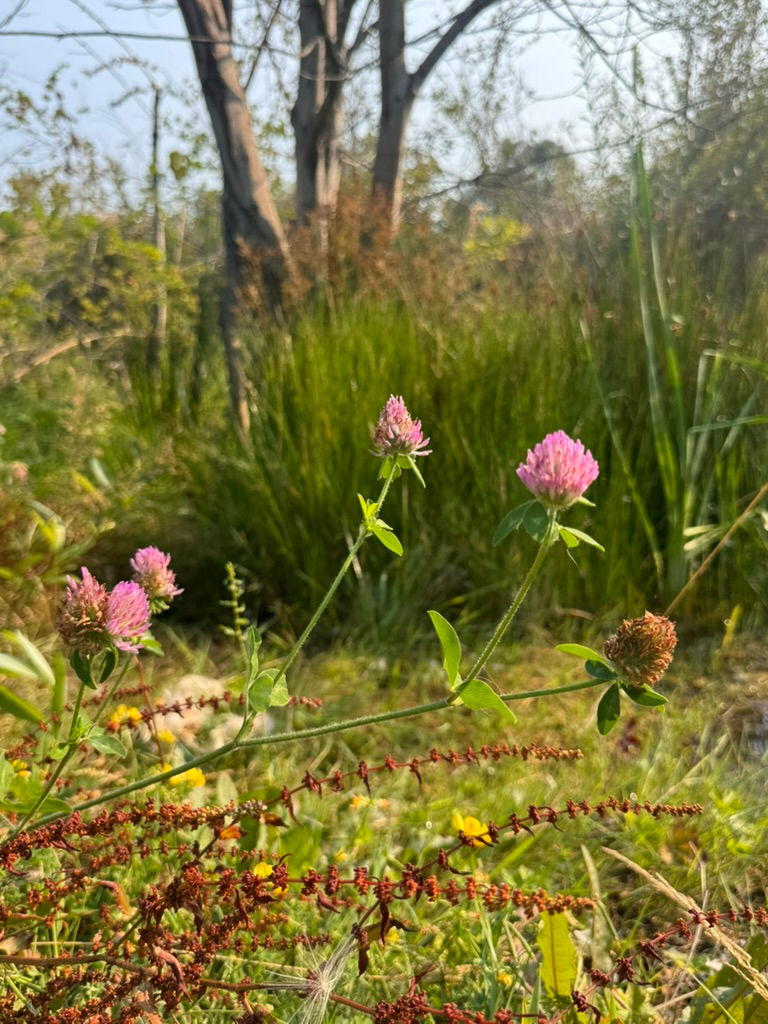
I began exploring the quiet beauty of local nature—the still lake, scattered flowers, wild weeds—simply by walking gently. No summit to chase, no steep climbing. Just the soft rhythm of feet on earth, one step at a time, and the invitation to notice what is already here. This is the season I am learning to inhabit. As the sun glitters on the water, I am discovering that this slow recovery is its own vital season of ripening.
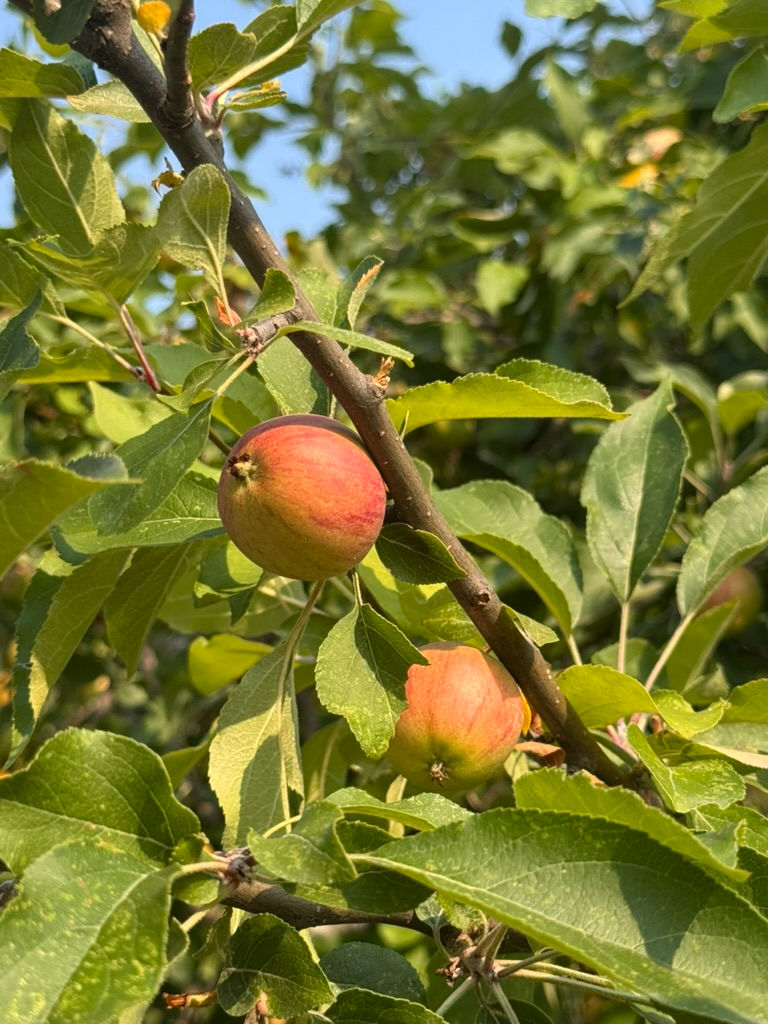
Like the apples gradually ripening on their branches, healing cannot be rushed; it has its own internal clock. And the signs of a lived-in journey carry their own dignity. A brilliant red leaf with a small hole has lived through something—the tear simply records where it has been. Dried fireweed, long past its soft purple bloom, still holds its shape with quiet pride. There is resilience in the wear and tear, beauty that survives use.

The lake does not strive. It reflects. It receives. And in that stillness, strength gathers differently—less like a summit push, more like the slow sweetening of fruit. I used to measure recovery by how quickly I could return to intensity. Now I measure it by how fully I can inhabit the present moment without forcing it to be more than it is. The aching body becomes a teacher. The familiar shoreline becomes a mirror. The small, imperfect, local beauties become proof that life continues its patient work even when we are not climbing.

There is particular beauty in being mindful of what is already in front of me. It asks nothing grand—only that I stay, breathe, and notice. In that simple attention, the ordinary world softens and deepens. A leaf, a ripple of light, the feel of wind on skin: each becomes enough. Mindfulness does not add beauty to the scene; it reveals the beauty that was waiting all along.

This season of recovery is not empty time. It is the necessary ripening that allows whatever comes next to be sweeter, deeper, and more true. For now, the lake, the leaf, the fireweed, and the glittering water are enough.

And they are teaching me that the art of recovery is simply this: to stop racing toward the next peak long enough to notice that the ordinary world has been quietly holding beauty—and strength—all along. Perhaps this, too, is restorative practice: allowing ourselves to be restored by what is already here.
“We are showered every day with gifts, but they are not meant for us to keep. Their life is in their movement, the inhale and the exhale of our shared breath. Our work and our joy is to pass along the gift and to trust that what we put out into the universe will always come back.”— Robin Wall Kimmerer, Braiding Sweetgrass

Words and Photo by K E I K O


Comments